

certified Helix dealer in Northwest Arkansas
What Size Sectional Do I Need? A Complete Guide
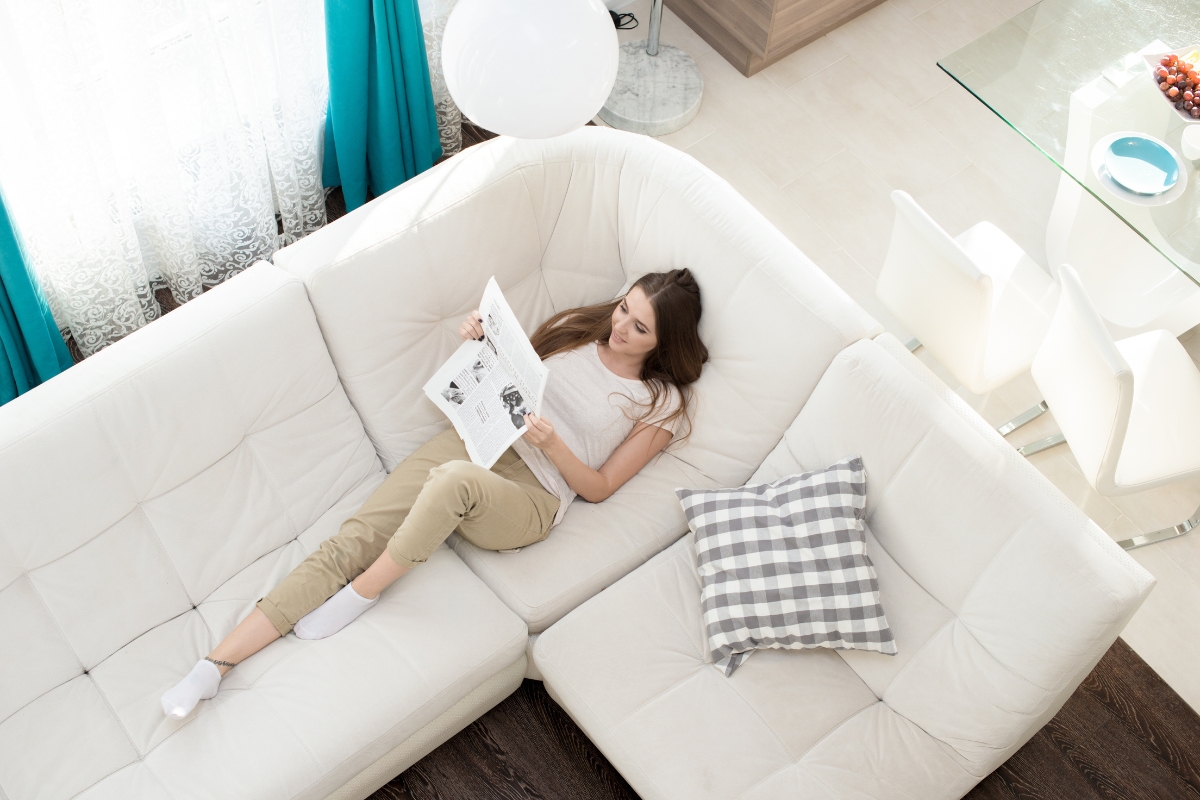
You go into your living room and want to envision the ideal sectional arrangement. Perhaps you’re seeking a cozy place to unwind after a long day, or where everyone can gather without feeling cramped. Finding the right layout can feel straightforward at first, but it becomes a more complex question once you start measuring and visualizing.
The reality is, choosing the right size isn’t only about occupying space. It is about the way you exist in that space. Whether you tend to host game nights, prefer quiet evenings, or want sectionals that can move around as needed, the right fit can change how your room feels and is used on a daily basis.
Measure Your Space First
Start with careful measurements before diving into layout or design. That makes this a prerequisite to anything that comes later. Without measurements, even the most attractive setup becomes either impractical or awkward. Even just those few minutes spent on accurate measurement will let you make a confident judgment, and straying from that can lead to unwanted changes in the future.
- Measure the Wall: This helps eliminate overcrowding and allows the piece to fit naturally, with no part of it squished into corners or next to other furniture.
- Room Depth Matters: Remember to measure how far the sectional extends into the room. This prevents blocking pathways, and helps the space feel Roomier than it really is.
- Leave Walk Space: The minimum recommended clearance for walkways is 30–36 inches. This allows for a natural flow around the room and ensures an everyday layout that works.
- Do Not Block Doorways and Windows: Make sure your setup doesn’t block doorways, windows, or light sources. Leaving these areas open will enhance accessibility and create a pleasant, airy feel.
Consider How to Use the Room
Before making the size choice, take a step back and examine how your living room works on a day-to-day basis. What works for one family might not work for another. Your habits and routines, and how often the space gets used, should drive your decision more than visual appeal alone. When the furniture accommodates your lifestyle, the room feels more organic and user-friendly.
- How You Use It: Determine if this is your main seating area or a secondary space. A daily-use room may need more sectionals and comfort than a seldom-used formal setting.
- Hosting Needs: Think about how many people you usually have over. If there are gatherings, plan for enough sectionals so no one is squeezed or left out.
- Relaxation Style: Think about the way you like to relax. If you like to stretch out, deeper seating is preferable. If you like to sit up with proper posture, a more structured design may work best for you.
- Family Activity: Take stock of children, pets, and how active the space is. The most practical layouts for high-traffic rooms, which must endure daily use without appearing crowded with furniture.
If the living room serves a dual purpose in your home, a reasonably sized sectional in Centerton can enhance both comfort and functionality without taking up too much space.
Select the Best Layout for Your Space
Different layouts serve different purposes. The right one for your space depends on your room size and how you plan to seat people.
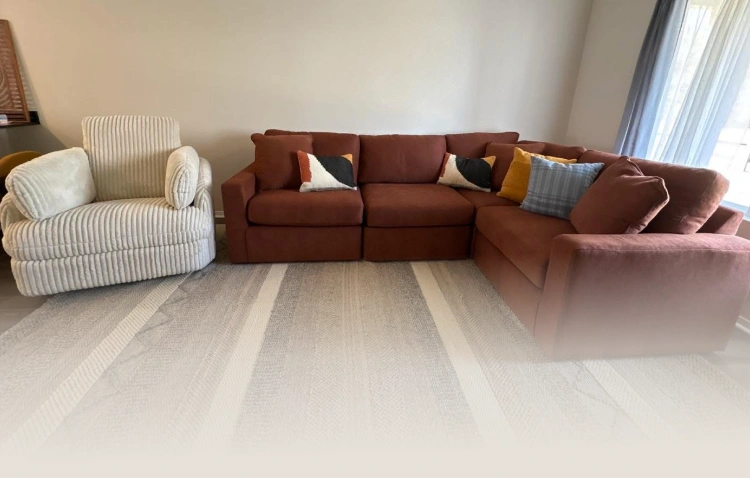
- Mark L-Shape Layout: Good for filling corners and suitable for medium-sized rooms
- U-Shape Layout: Makes a centerpiece for larger spaces
- Chaise Extension: Provides a place to lounge without dominating the room.
- Modular Design: Get flexibility if you rearrange over time.
Match the Size to Your Room Type
Each room size requires a different approach. It aims to form a balance without weighting the areas.
- Small Rooms: Opt for compact designs and clean lines to keep the space feeling open.
- Mid-Sized Rooms: You can create balanced layouts that leave space for tables and traffic flow.
- Big Rooms: Use bigger arrangements to fill the space without gaps.
Pay Attention to Proportions
Even if something fits, it has to look right in the room. However, proportion matters for how comfortable and visually pleasing your setup feels.
- Seat Depth: Deeper seats support lounging, while shallower seats support sitting upright.
- Back Height: Low backs give an open feeling; high backs provide support.
- Arm Width: Wider arms require more wall space but can enhance functionality.
Keep Traffic Flow in Mind
A good layout should promote movement rather than constrain it. Consider how people will use the room day-to-day.
- Keep Pathways Clear: Don’t block the natural flow of foot traffic with furniture.
- Open Entry Points: Leave doors and hallways open.
- Functional Layout: Ensure that the space feels intuitive, even for guests.
Plan Around Other Furniture
Your sectional needs to play well with the rest of the room, not battle against it. Everything should seem like it’s been designed and handled on purpose.
- Coffee Table Spacing: Consider leaving enough space to move, while keeping these items within reach.
- Side Tables and Lighting: Ensure there’s room for functional extras.
- Focal Point: Create seating that focuses around a TV, window, or main feature.
Preview the Layout Before You Buy
Sometimes, measurements on their own are simply insufficient. The visualization of the setup makes you more comfortable with the decision.
- Use Floor Tape: Tape off dimensions on the floor to assess fit.
- Walk the Space: Walk around to ensure comfort and accessibility.
- Simulated Seat Depth: Try tracking how far your sectional reaches with temporary objects.
Fit Your Choice to Real Life
Your furniture should support your life, not just your space! Consider how it will age and endure over time.
- For Pets: Opt for easy-care and durable materials.
- For Kids: Choose sturdy surfaces and smooth edges.
- For Social Spaces: Ensure there’s ample seating for groups.
Finding the Right Fit for Your Home
Finding the right-sized sectional requires a proper balance in the room. Your room, layout, and daily habits all contribute to making the right decision. Measuring and planning first help you avoid common errors and ensure your space feels cozy and functional.
You can visit a store, lay out different configurations, and see in person which sectional suits you the best. Viewing real setups is often helpful to make a choice with confidence and clarity.