

certified Helix dealer in Northwest Arkansas
The Best Sectionals for Open Concept Living Rooms
The movement toward open-concept living has changed the way people design and use their homes. Without definite walls dividing spaces, your living room, dining area, and kitchen tend to flow into one another. That creates a more interconnected environment, but it also makes furniture selection more critical. An ill-chosen layout might feel cluttered or disjointed.
Well-placed sectionals can create zones without walls. It’s meant to guide movement, enable daily activities, and provide an organic gathering spot. Be it hosting friends or enjoying a quiet evening, how your sectional integrates into an open layout can have an impact on how comfortable and functional your home feels.
Why Open Layouts Need Smarter Sectional Choices
With open spaces comes freedom, but there is also a need for intentional design. Without walls, your furniture becomes the structure that creates each zone.
- Creates a Visual Barrier: Divides the living space from the dining room or kitchen without walls.
- Enhances Flow: Maintains clear pathways, so movement feels organic throughout the room.
- Supports Multiple Activities: Enables various sections of the space to operate simultaneously.
- Anchors the Room: It serves as a center point that holds everything in concert.
Best Layout Types for Open Concept Spaces
Not every floor plan lends itself to open living. The right shape will help your space look more organized rather than thrown together.
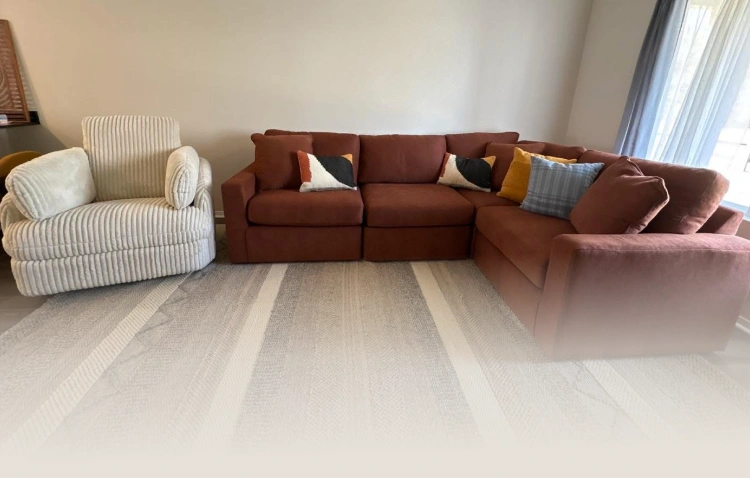
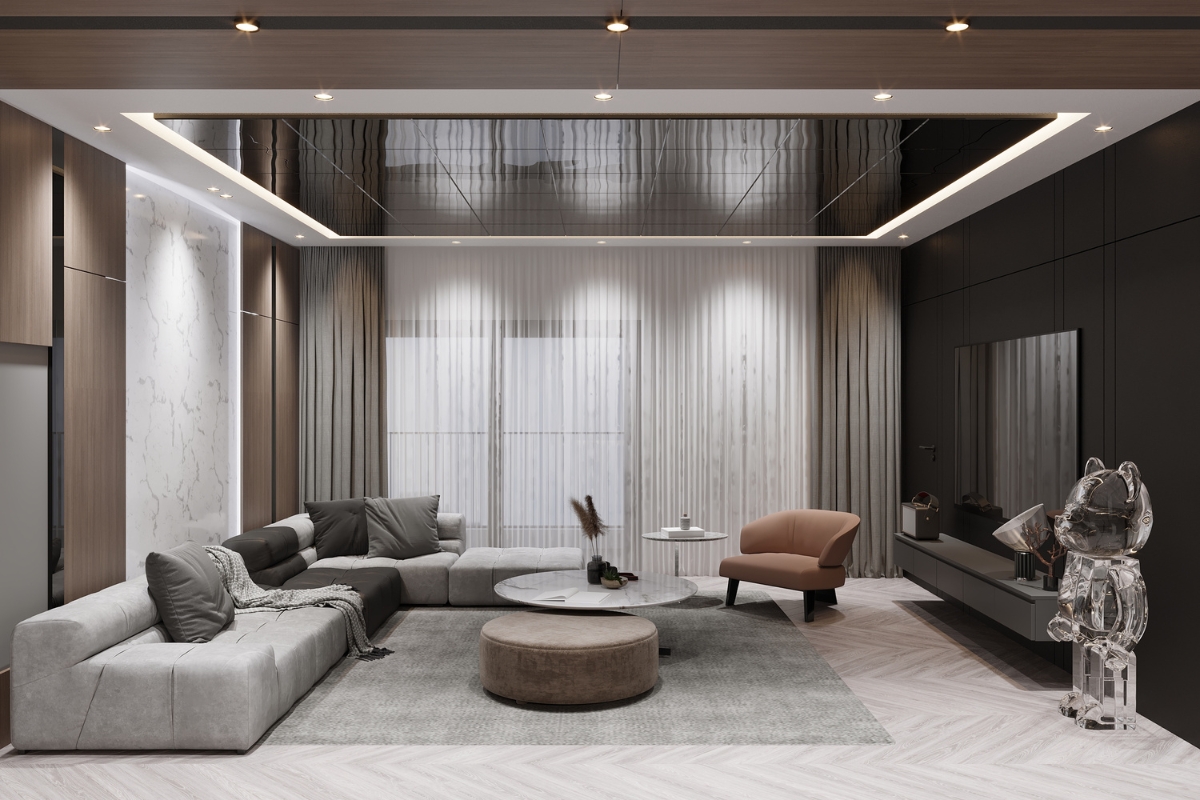
- L-Shaped: Creates a corner without closing the room off. This layout is perfect for most open spaces.
- U-Shaped Layout: Designates a distinct gathering area, which is helpful in larger spaces.
- Chaise Extension: Provides added flexibility while maintaining a light and open layout.
- Modular Design: Let’s you change up pieces as you grow.
How to Divide Sectionals Without Walls
In open layouts, placement is more important because there aren’t any physical dividers. You can see the layout of your space informs how it’s used:
- Float the Layout: Set it apart from walls to create a living zone over time.
- Align With a Focal Point: Angle it toward a TV, fireplace, or oversized window.
- Use Rugs for Definition: A rug can visually define and separate the seating area from other spaces.
- Keep Your Walkways Clear: Give people plenty of space to walk around.
Selecting a Sectional Size for Balance
Size comes in when you need to keep your area open but functional. Too big, and it dominates the room. Too large, and it feels unwieldy.
- Scale the Match to Room Size: Scale the seating proportionately in the space.
- Don’t Overfill: Allow space for other furniture and walking areas.
- Pay Attention to Ceiling Height: Lower profiles can open up the room.
- Embed in Other Zones: Further, ensure it aesthetically complements adjacent dining and kitchen areas.
Best Suited Materials and Colors
In open layouts, your furniture is never out of sight. Colors and materials should flow with the overall space.
- Neutral Hues: Assist in creating a unified look through multiple spaces.
- Durable Fabrics: Stand up to high-traffic areas.
- Matching Finishes: Coordinate with surrounding furniture to create a cohesive design.
- Use Light Colors in Small Spaces: This makes the area feel more open and airy.
Real-Life Function Matters Most
Your seating arrangements should facilitate how you live, not only how the room looks. Consider how you will use it every day before purchasing.
- When You’re Hosting: Pick layouts that let people comfortably face one another.
- For Families: Seek out designs that withstand heavy use and activity.
- For Relaxation: Ensure there’s enough room to stretch out.
- For Multi-Use Spaces: Keep it clear of dining or kitchen flow.
In many Centerton homes with open layouts that blend living areas with kitchens, choosing the right arrangement helps keep the space functional during gatherings, weekend meals, and daily routines. This is why the right sectionals in Centerton can make a difference and how a space works and feels.
Common Mistakes to Avoid
A clear plan transforms an open living space pleasing to the eye and cool for the head. Open layouts depend largely on balance and flow, so small decisions can make a significant difference. Knowing these issues early allows you to design a space that feels comfortable but organized.
- Arranging All Furniture Against the Walls: Arranging all furniture along the walls of a room creates a sense of disassociation and an empty feel in the center space. In open layouts, floating your sectional helps delineate the living area and gives the space a more organic, inviting feel.
- Ignoring Traffic Flow: If you block natural walkways, the area can suffer from frustrating traffic flow. Always be aware of how people will move through the space, and keep those paths clear for ease and comfort.
- Opting for Style Over Function: An attractive setup should still support daily use. If the sectional looks good but is uncomfortable or impractical when in use, it will not work in the long run. Always balance design with usability.
- Avoid Over-Furnishing: This is a common mistake; adding too many human or nonliving objects can make the space feel less open. Keep only essential furniture and allow sufficient breathing space so that the area remains functional and visually balanced.
Testing Your Page Layouts With Ease
It can be useful to see how it all comes together before committing.
- Use Painter’s Tape: Mark out the dimensions on your floor.
- Walk Around: See whether you can get around easily.
- Mock Daily Living: Visualize how you will lounge and use.
- Fine-tune Before Settling: Even minor tweaks can have an outsized impact.
Bringing Comfort and Flow Together
When it comes to open concept living, make sure every piece has a purpose. Your sectionals need to shape the space, accommodate daily living, and keep everything connected without feeling cramped.
Seeing yourself in actual setups helps you imagine how your space can come together with the right choices. You can check out various sectionals in a store and see how they might work in an open environment.